Questions people ask
What is the best beach in Portugal?
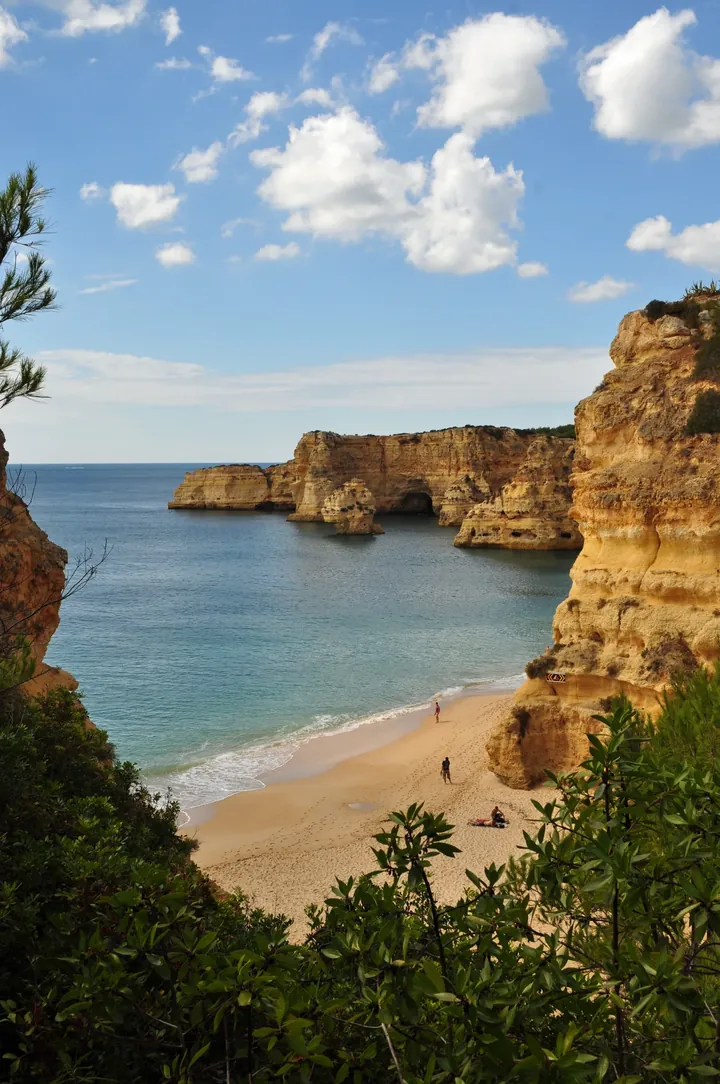
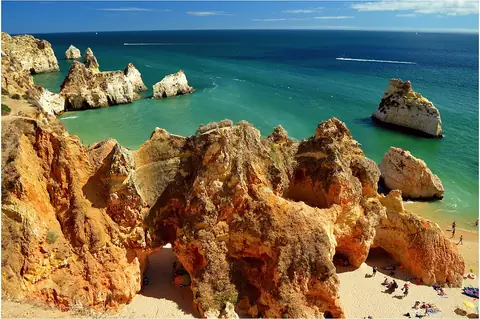
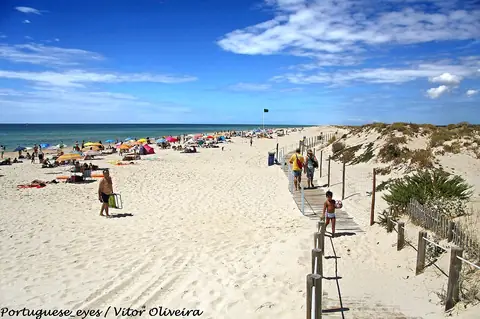
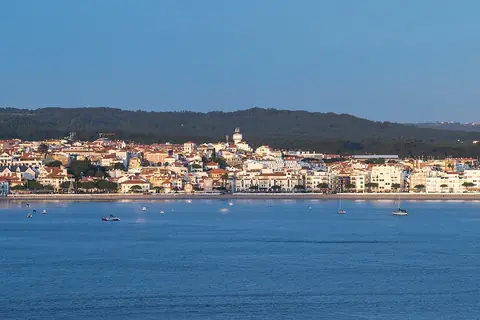
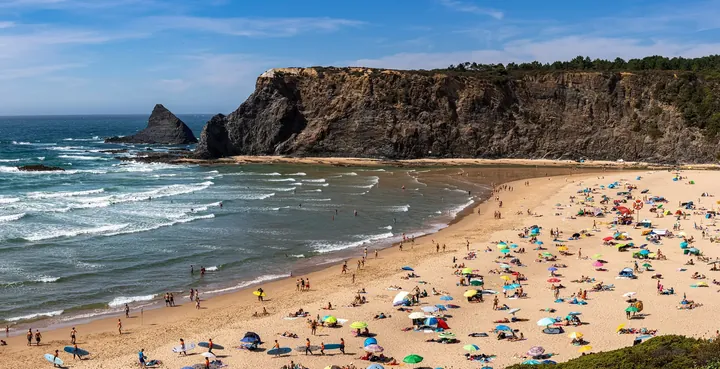
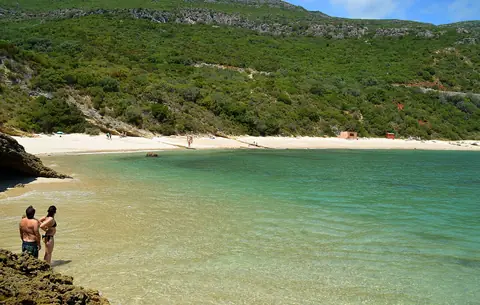
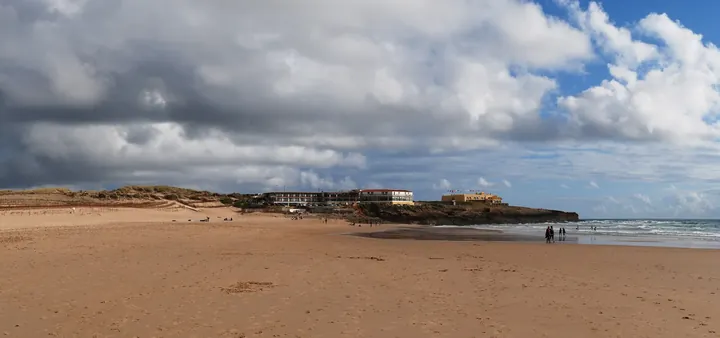
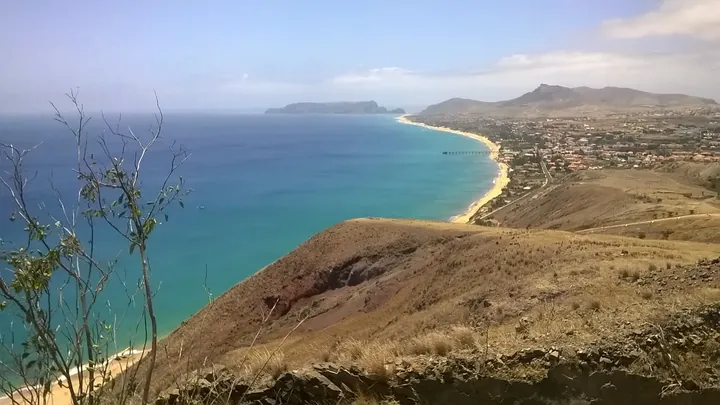
There is no official “best”. For classic Algarve scenery, Praia da Marinha and Benagil are the most photographed; for families, Praia do Barril or São Martinho do Porto; for surf, Praia do Amado (all levels) or Supertubos (experts); for a day trip from Lisbon, Praia dos Galapinhos or Guincho; for something completely different, Porto Santo in Madeira.
Which region of Portugal has the best beaches?
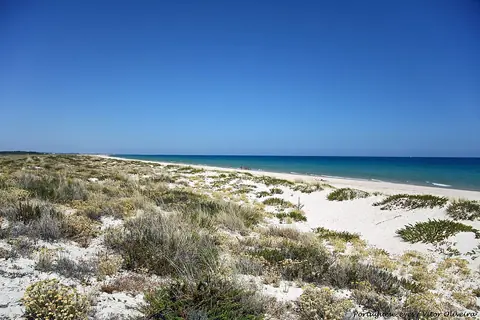
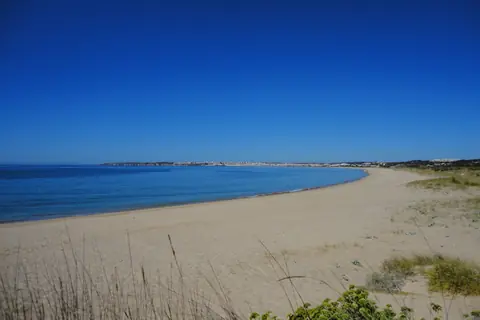
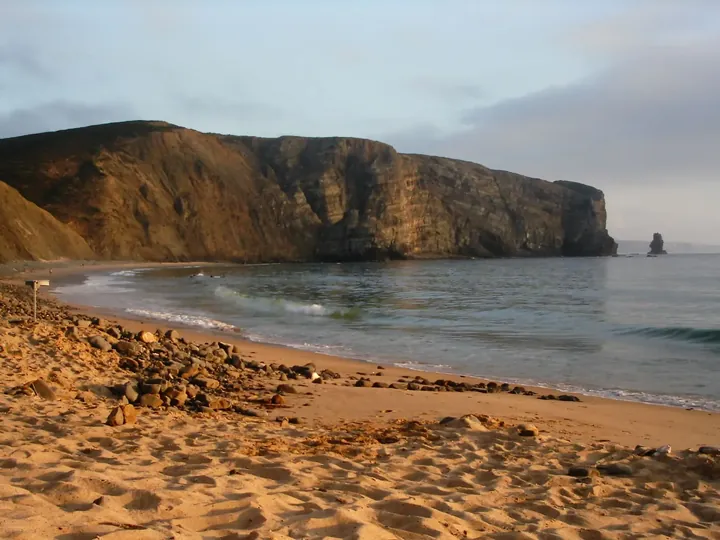
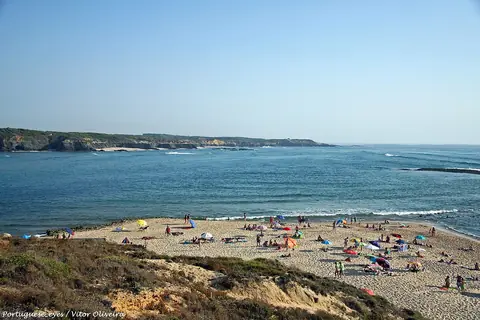
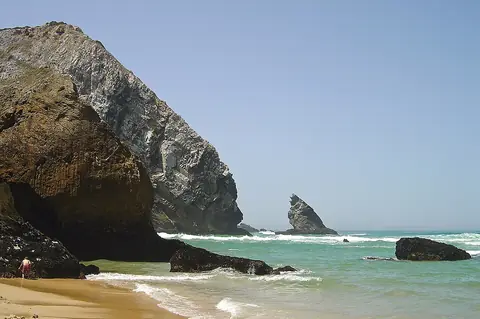
The Algarve has the most famous cliffs and the most beach infrastructure. The Costa Vicentina and Alentejo coast are wilder and quieter. The Silver Coast and the north are for surf and fewer crowds. Madeira, Porto Santo and the Azores have the warmest summer sea. Choose by what you want from the day, not just by region.
Is the sea water clean in Portugal?
Mostly yes. In the official 2025 bathing-water classification (European Environment Agency, data supplied by Portugal’s APA), 519 of the 682 beaches on our map were rated Excellent, 72 Good, 18 Sufficient and 11 Poor; 62 have no rating (mostly beaches that are not official bathing waters). All 25 beaches in this guide are rated Excellent, except Benagil (Good). Each beach page shows its own rating.
When is the best time for the beach in Portugal?
July and August are the warmest and busiest months. June and September usually give a better balance of warm weather and fewer people. Lifeguards only work during each beach’s official bathing season, which every municipality sets each year, so check the flag and the dates before you swim, especially in May, early June or late September.
Where is the warmest sea in Portugal?
In summer the warmest water is around Madeira, Porto Santo and the Azores, followed by the eastern Algarve and the Ria Formosa lagoon. The west coast, from the Costa Vicentina to the Minho, is noticeably colder because of coastal upwelling. Our beach pages show the modelled sea temperature today.
Can you swim in the Benagil cave?
No. Since summer 2024 the Portuguese Maritime Authority has banned swimming into the cave, entering on floats and landing on the beach inside. You can enter by boat, or on a kayak or paddleboard trip with a certified guide, or see it from the clifftop path.
Do I need a car for Portuguese beaches?
For the Algarve cliffs, the west coast, Comporta and the river beaches, a car makes a big difference — public transport to many beaches is limited. Exceptions: Cascais and Carcavelos by train from Lisbon, Ilha de Tavira and the Ria Formosa islands by ferry, and the Arrábida beaches by shuttle bus in summer. The A22 Algarve motorway has been toll-free since 1 January 2025.